Table of Contents
- What Makes a Gin Small-Batch (And Why It Matters)
- How We Selected the Best Small Batch Gin for 2026
- Australian Gin Brands Worth Your Attention in 2026
- Native Botanical Gin: What Local Ingredients Bring to the Glass
- Australian Dry Gin and Contemporary Styles Compared
- Reading Gin Tasting Notes Before You Buy
- Which Bottle Suits Your Taste and Occasion?
- Frequently Asked Questions
Last Updated: October 17, 2026
What Makes a Gin Small-Batch (And Why It Matters)
Small-batch gin is a spirit produced in limited runs on smaller stills, where the distiller controls every stage from botanical weighing to bottling. The best small batch Australian gin in 2026 comes from producers who treat scale as a constraint worth keeping, not a problem to solve.
At Three Little Birds Distillery, our base spirit comes from leftover wine grapes, our botanicals are sourced locally, and our runs are measured in hundreds of bottles rather than thousands. That changes the liquid in the glass.
How Production Scale Changes the Bottle
A large distillery runs continuous column stills and blends to a fixed target. Consistency is the goal, and it works. But it also flattens the edges that make a gin interesting.
Small-batch production means batch variation. One run may carry more citrus lift than the next because the fruit arrived riper. Distillers who bottle single batches lean into that rather than hiding it.
The trade-off is real: small-batch gin costs more per bottle because the economics are worse. Lower volume, more hands-on labour, no bulk purchasing power.
How We Selected the Best Small Batch Gin for 2026
Our shortlist applies four filters, and a gin has to clear all of them. First, batch size: we look for producers running small stills in limited releases. Second, botanical provenance: we favour gins that can name where their ingredients come from. Third, evidence: award results and medal wins from recognised competitions, not self-applied stickers. Fourth, availability: a gin you can actually buy in 2026, in a stated bottle size.
| Selection Criterion | What We Check | Why It Matters |
|---|---|---|
| Batch size | Small stills, limited runs | Signals hands-on production |
| Botanicals | Named, traceable, often native | Drives flavour and provenance |
| Awards | Medals from recognised shows | Third-party validation |
| Availability | Current listings and bottle sizes | You can actually buy it |
What small-batch actually means
The term is not regulated in the way "single malt" is for whisky. A distiller can call a gin small-batch without disclosing still size, run length or bottle count. That is why we ask for specifics rather than accepting the label.
Production scale changes the bottle in three ways. Third, traceability: small producers can usually name the grower behind a native botanical, which larger blenders often cannot.
How we verified each recommendation
For every gin on the shortlist we checked the producer's own site for the current release and the stated bottle size. Where a producer publishes batch numbers, we noted the current batch.
We have not published a single fixed price for every bottle because those figures change through the year. Instead, each entry tells you where to confirm the current bottle size. That is more useful than a price that is wrong by the time you read it.
What we left out and why
We excluded gins that could not evidence a limited-run production model, gins with no named botanical provenance, and gins that were out of stock with no stated next release. We also excluded broad-market gins that use "small-batch" as a label without disclosing still size or run length. That is a deliberate gap: the query asks for small-batch gin, and a gin you cannot verify as small-batch does not belong on the list.
Australian Gin Brands Worth Your Attention in 2026
The Australian gin category has matured. Distillers who started as hobbyists a decade ago now run proper operations with tasting rooms, cellar doors and export ambitions.
Below is our verified 2026 shortlist of small-batch Australian gins, grouped by the style they do best. Every entry clears the four filters in the previous section: limited-run production on small stills, named and traceable botanicals, third-party medal evidence, and current availability in a stated bottle size.
Citrus-forward small-batch gins
These suit a classic gin and tonic with a plain citrus garnish, or a gin sour where the acidity has something to push against.
- Three Little Birds Distillery (Clare Valley, SA), native botanical gin. Base spirit from leftover wine grapes, locally sourced botanicals, runs measured in hundreds of bottles. Tasting room in Sevenhill pours flights alongside wood-fired pizza. Check the producer's site for current bottle size and price.
- Four Pillars Distillery (Healesville, VIC), Rare Dry Gin. A benchmark Australian dry gin with whole orange and native lemon myrtle in the botanical bill. Widely stocked in independent bottle shops; confirm the current 700 mL at the cellar door or your local retailer.
- Archie Rose Distilling Co. (Sydney, NSW), Bone Dry Gin. Juniper-led with a dry finish, built for martinis. Available in 700 mL from the distillery and major independents.
Floral and native-botanical gins
These reward a garnished tonic or a neat pour where the floral and herbal layers have room.
- Ink Gin (South Australia), butterfly pea gin. Colour-shifting gin with citrus and floral notes; the pea flower changes colour with tonic. Confirm current 700 mL with the producer.
- Patient Wolf Distilling Co. (Melbourne, VIC), Melbourne Dry Gin. Small-batch, juniper-forward with native and introduced botanicals; check the distillery site for bottle size.
- Never Never Distilling Co. (McLaren Vale, SA), Triple Juniper Gin. Juniper-heavy by design, a useful bridge for whisky drinkers moving into gin. Stocked through independents; verify the live figure.
Savoury and spice-led gins
These carry roasted, nutty and warm-spice notes that suit a single large ice cube or a spirit-forward cocktail.
- Three Little Birds Distillery, wattleseed and pepperberry expressions. Roasted depth and a slow, warm finish; ask the cellar door which batch is current.
- Applewood Distillery (Gumeracha, SA), Okar Amaro and gin range. Native Australian botanicals with a savoury edge; check the producer for current release and price.
- Kangaroo Island Spirits (Kingscote, SA), Wild Gin. Coastal and native botanical influence; confirm bottle size with the distillery.
How to read this shortlist
Treat it as a starting map, not a league table. The order within each group is not a ranking; it reflects style fit. Before you buy, check two things on the producer's site: the current batch number and the stated bottle size. If a bottle is out of stock, ask the cellar door when the next run is due, small-batch producers often sell through a release before the next one is bottled.
Check current Australian gin releases and medal results
Award Results and Medal Wins That Carry Weight
A medal is only useful if you know who awarded it. Australian gin competitions judge blind, which means a gold or silver reflects the liquid rather than the marketing budget. When you see award-winning gin on a shelf, check the competition name and the year.
Treat medals as a filter, not a verdict. A silver at a respected show tells you the gin is technically sound. It does not tell you whether you will enjoy it. That comes down to flavour profile, which is where tasting notes earn their keep.
Native Botanical Gin: What Local Ingredients Bring to the Glass
Native botanical gin draws on ingredients that grow in Australian conditions, and the result is a flavour profile you will not find in a London dry.
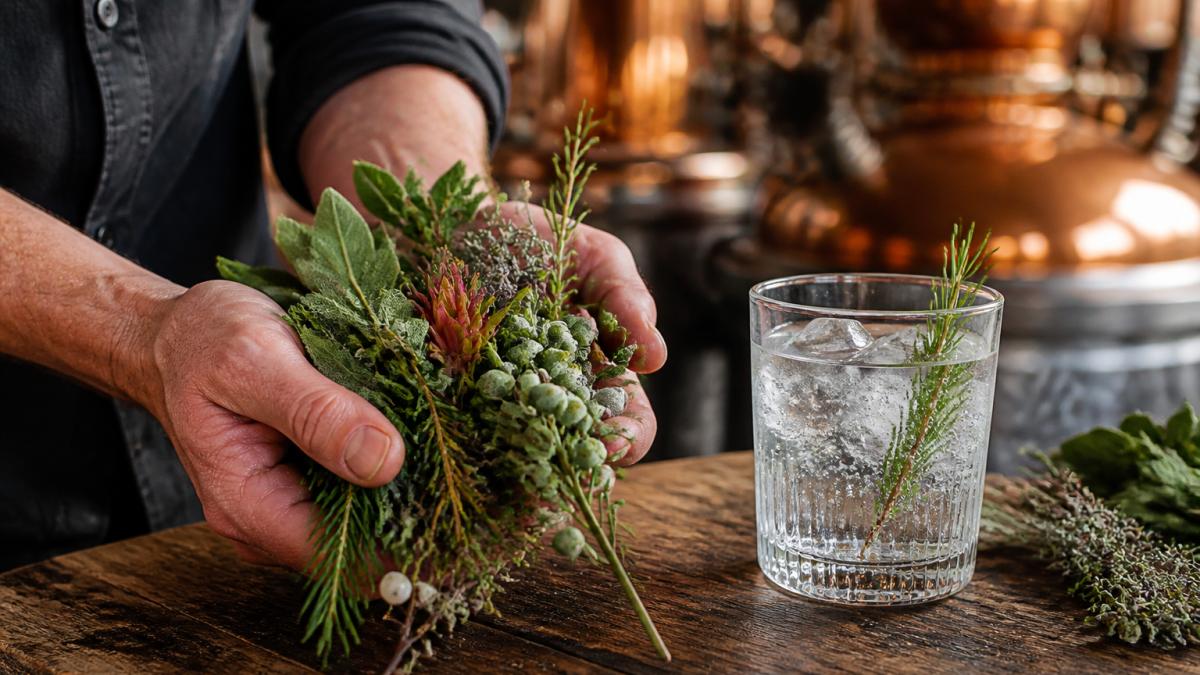
The common mistake is assuming native means subtle. Some of these botanicals are forceful. A distiller who overdoes the pepperberry will bury the juniper, and gin without juniper is just flavoured vodka.
What most guides miss is that native botanicals behave differently batch to batch.
Australian Dry Gin and Contemporary Styles Compared
Australian dry gin sits closer to the classic London dry template: juniper forward, citrus and coriander supporting, dry finish, no added sugar. Contemporary gin, sometimes called New World gin, keeps juniper present but lets other botanicals lead. If you want a gin and tonic with layers, go contemporary.
| Style | Juniper Presence | Typical Botanicals | Best Serving |
|---|---|---|---|
| Classic dry gin | Dominant | Juniper, coriander, citrus peel | Martini, dry gin and tonic |
| Australian dry gin | Strong | Juniper plus native citrus | Gin and tonic, gin sour |
| Contemporary gin | Present, not dominant | Floral, berry, spice, native herbs | Neat, garnished tonic, cocktails |
The distinction matters when you buy. A contemporary gin poured into a classic dry martini can taste muddled, and a juniper-heavy dry gin can overwhelm a delicate tonic. Match the style to the drink.
Reading Gin Tasting Notes Before You Buy
Tasting notes are a buying tool, and most people skim them when they should read them closely. Aroma tells you what hits first. Floral and citrus notes usually mean a lighter, brighter gin. Herbal and spice notes suggest a gin with more weight and a longer finish.
Read the order of the notes, not just the list. Distillers write juniper first when it leads, and native botanicals first when they want you to notice them. That ordering is a hint about the flavour profile.
Which Bottle Suits Your Taste and Occasion?
Match the gin to the moment. A juniper-forward Australian dry gin suits a gin and tonic with a plain citrus garnish and nothing else competing. A contemporary native botanical gin works better in a cocktail where its floral and spice notes have room.
If you are new to gin and coming from whisky, start with a contemporary style. The malt-adjacent weight of a whisky palate tends to prefer gins with herbal and spice depth over bright citrus. Serve it neat or over a single large ice cube before you commit to tonic.
Frequently Asked Questions
What makes a gin small-batch?
Small-batch gin is made in limited runs on smaller stills, usually with more hands-on control over botanical weights, maceration time and cut points. There is no legal definition of small-batch in Australia, so the term is a production claim rather than a certification. Ask a distillery how large its runs are and which still it uses. Genuine small-batch producers will tell you openly, and that transparency is a better signal than the phrase on the label.
Which Australian gins use native botanicals?
A growing number of small batch gin producers work with native Australian botanicals such as lemon myrtle, wattleseed, finger lime, strawberry gum and bush tomato. These ingredients bring citrus, toasted nut and herbal notes that juniper-forward European recipes do not deliver. When you read gin tasting notes, look for these names alongside the classic juniper, coriander and angelica base. Native botanical gin is now one of the clearest points of difference between local craft producers.
How should you choose a gin for a gin and tonic?
Match the gin's strength and botanical weight to your tonic. A delicate Australian dry gin with citrus and floral notes works with a light tonic and a citrus garnish, while a higher-strength contemporary gin holds up against a bolder tonic and a rosemary or native pepperberry garnish. Serve roughly one part gin to three parts tonic over plenty of ice so the dilution stays steady. If you are buying for a group, a versatile dry gin is the safer choice than a heavily spiced release.
Is pink gin better than classic gin?
Neither is better; they suit different moments. Pink gin usually gains colour and soft berry or citrus notes from added botanicals or infusions, which makes it easy to drink neat or with soda. Classic dry gin keeps juniper at the front and mixes more predictably in a gin and tonic or a martini. If you are building a home bar, start with a dry gin and add a pink or contemporary release for variety. Taste preference, not category, should decide it.
Choosing a small-batch gin in 2026 means looking past the label and asking who made it, how, and from what. Three Little Birds Distillery makes that easy to answer: native Australian botanicals, a base spirit from leftover wine grapes, spent botanicals fed to local livestock, and a Sevenhill tasting room where you can try before you buy. Book a tasting flight, or order online and let the bottle tell you the rest.