Last Updated: October 25, 2026
Quick Summary
Grape spirit gin is a style of gin produced using a base spirit derived from fermented and distilled grapes rather than traditional grain-based neutral spirits. The grape foundation creates a softer, rounder mouthfeel than grain spirits, with subtle stone-fruit and floral notes that interact with botanicals in unexpected ways.
- Grape spirit gin uses wine grapes, grape pomace, or grape-derived alcohol as its foundation instead of wheat, barley, or corn.
- The production process involves fermenting grapes, distilling to create the base spirit, then infusing with juniper and botanicals before final distillation.
- Grape spirit gin differs from grain-based gin in flavor profile, mouthfeel, production complexity, and legal classification across regions.
- Grape spirit gin is distinct from grape-infused gin, which uses a traditional grain base with grapes added as flavoring rather than as the foundation.
- Sustainable grape spirit gin transforms leftover wine grapes and pomace that would otherwise be waste into premium spirit.
Table of Contents
- What is grape spirit gin?
- How gin made from grapes is produced
- Grape spirit vs grain spirit gin
- Understanding grape-infused gin
- The role of juniper and botanicals
- Why sustainable grape spirit gin matters
- Taste, aroma and serving suggestions
- Experience grape spirit gin at Three Little Birds Distillery
- Frequently Asked Questions
What is grape spirit gin?
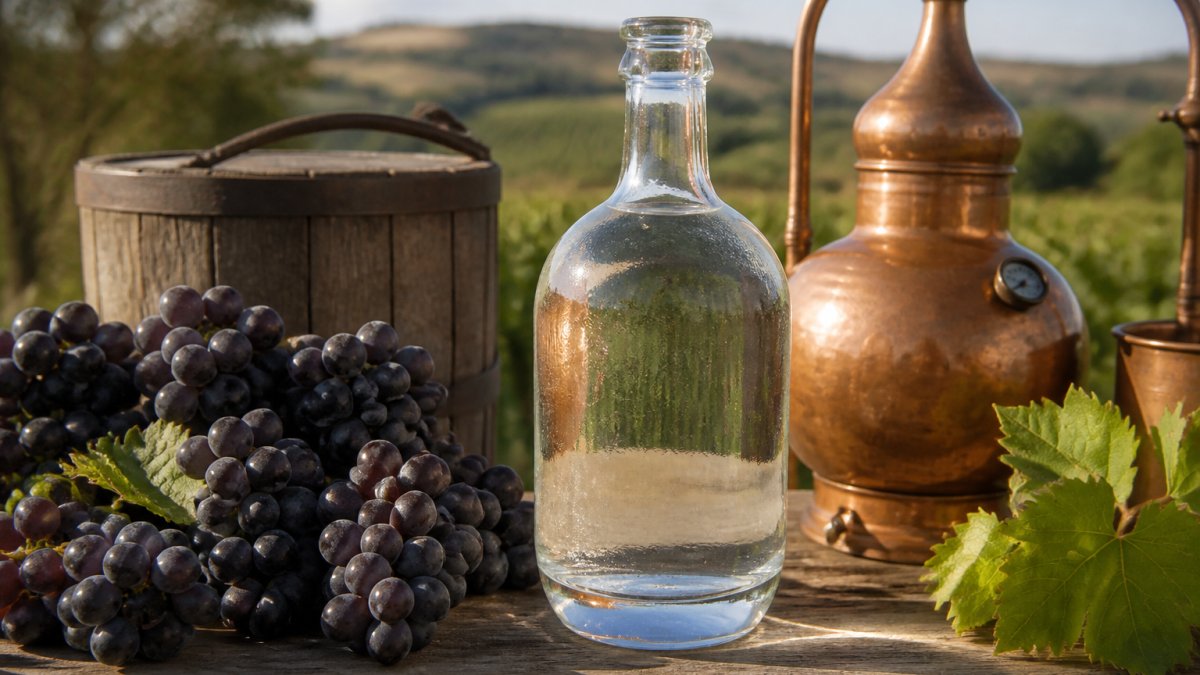
At Three Little Birds Distillery, we create grape spirit gin by transforming leftover wine grapes into a premium base spirit, then infusing it with native Australian botanicals. The result is a gin that carries the subtle vinous character of the grapes themselves, layered beneath the botanical complexity that defines the category.
The distinction matters because it affects how the spirit tastes, how it's produced, how it's classified legally, and how it performs in cocktails. A grape-based foundation creates a softer, rounder mouthfeel than grain spirits, and the grape contributes faint stone-fruit and floral notes that interact with botanicals in unexpected ways.
Grape spirit gin sits at the intersection of two categories: it's gin because it's flavoured with juniper and botanicals, yet it carries characteristics closer to brandy or wine because of its grape-derived base.
How gin made from grapes is produced
The production of grape spirit gin follows a distinct path from conventional gin-making, beginning with the raw material and continuing through fermentation, distillation, and botanical infusion.
Fermentation and base spirit creation
The process starts with grapes, either wine grapes grown for distillation or leftover pomace and skins from winemaking.
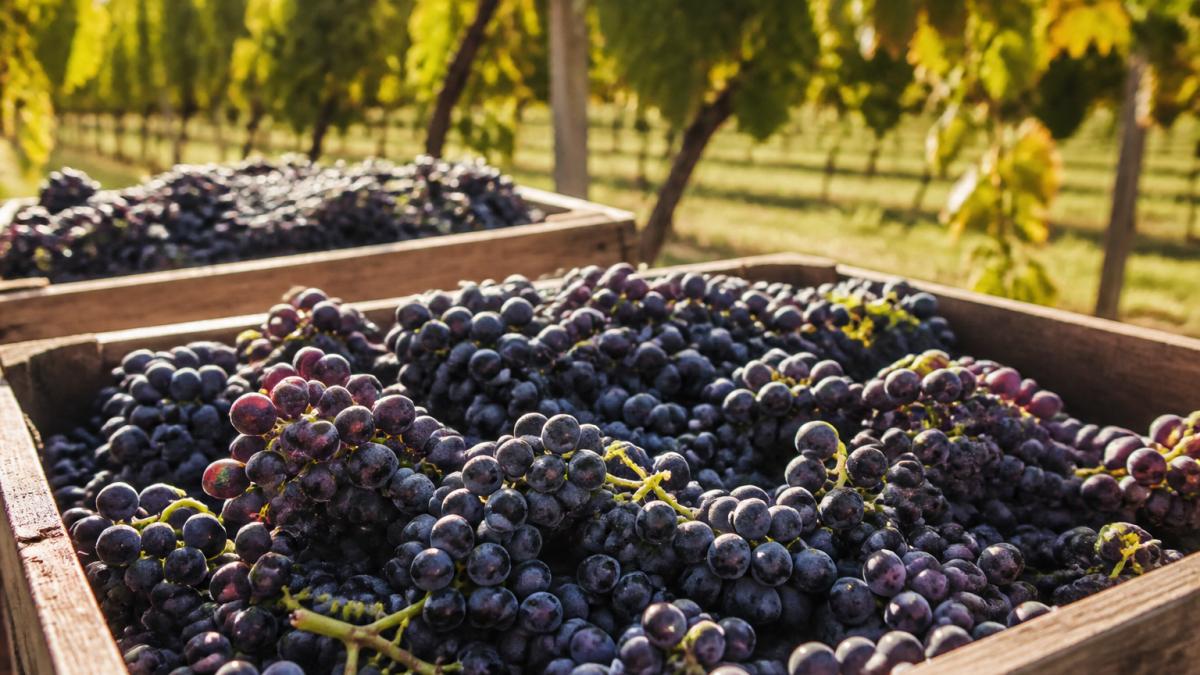
Once fermentation is complete, the wine or must is distilled to concentrate the alcohol and remove unwanted compounds. The distiller collects the heart of the distillation, the purest portion, which becomes the grape spirit, typically reaching 80-95% ABV before dilution.
The result is a clear, high-proof spirit carrying subtle grape character, faint stone fruit, white flowers, and minerality depending on the grape variety, and becomes the canvas upon which botanicals are layered.
Botanical infusion and distillation
Once the grape base spirit is ready, botanicals are added.
There are two primary methods. Maceration involves steeping botanicals directly in the grape spirit for hours or days to extract flavour compounds. Vapour infusion passes alcohol vapour through a basket of botanicals during distillation, capturing their aromatic compounds.
Many producers combine both: delicate florals are better captured through vapour infusion, which preserves brightness, while spice seeds and citrus peels benefit from maceration's deeper extraction.
After botanical infusion, the spirit is distilled again, refining the flavour and integrating grape character, juniper, and secondary botanicals. The gin is then diluted with water to a final ABV of around 40-47%.
Grape spirit vs grain spirit gin
Grain-based gin relies on neutral spirits distilled from wheat, barley, rye, or corn. These grains are fermented and distilled into a clean, crisp, neutral spirit with minimal flavour of its own, providing a blank canvas for botanicals.
Grape spirit gin starts with a foundation that already carries flavour.
In the glass, grain-based gins present bright, sharply defined botanical notes, a London Dry might offer piercing juniper and crisp citrus.
Production differs too.
Legal classification also diverges by region. In the European Union, gin made from grape spirit may fall under designations like "fruit spirit gin" or "grape-based gin" rather than the protected "gin" category, and labelling rules vary between markets.
Grape spirit gin and grain-based gin differ fundamentally in their base ingredients, production methods, flavor profiles, and legal classification.
| Aspect | Grain-Based Gin | Grape Spirit Gin |
|---|---|---|
| Base spirit | Wheat, barley, rye, or corn | Fermented and distilled grapes |
| Flavor foundation | Neutral, blank canvas | Carries subtle sweetness and fruitiness |
| Mouthfeel | Crisp and sharp | Soft and silky |
| Botanical character | Bright, sharply defined notes | Rounder, softer profiles |
| Production complexity | Requires enzymes to break down starches | Simpler fermentation, grapes contain natural sugars |
| Legal classification | Protected gin category | May fall under fruit spirit or grape-based designations in EU |
Understanding grape-infused gin
It's critical to distinguish grape spirit gin from grape-infused gin, as the two terms describe fundamentally different products.
Grape-infused gin uses a traditional grain-based neutral spirit as its foundation, with grape flavouring added through maceration or infusion of grape juice, skin, or compounds. The gin itself is not made from grapes, grapes are simply one of many botanicals.
Grape spirit gin, by contrast, uses grape-derived alcohol as the actual base spirit. The grape is not a flavouring addition; it's the foundation upon which the entire spirit is built.
The distinction matters for flavour, production philosophy, and legal classification.
From a sustainability perspective, grape spirit gin often uses leftover pomace or rejected grapes that might otherwise be discarded, transforming waste into premium spirit.
The role of juniper and botanicals
Juniper is the legal and flavour cornerstone of any gin. By definition, gin must be predominantly flavoured with juniper berries, without juniper, a spirit is not gin. The berries contribute a piney, woody, slightly citric character that defines gin's identity across all styles.
In grape spirit gin, juniper performs a slightly different role. The softer, rounder grape foundation means juniper doesn't need to assert itself as aggressively as in grain-based gins, where it often dominates because the neutral base offers no competing flavours.
Secondary botanicals, coriander seed, citrus peel, cardamom, angelica root, iris root, and countless others, build complexity around juniper.
Three Little Birds Distillery uses native Australian botanicals, strawberry gum, lemon myrtle, pepperberry, alongside traditional gin botanicals. These native plants add regional identity and unexpected flavour dimensions that distinguish grape spirit gin from conventional styles. Strawberry gum contributes subtle sweetness and floral notes. Lemon myrtle adds brightness and citric character.
The choice of botanicals and infusion method lets distillers fine-tune how grape character and juniper interact: vapour infusion preserves brightness and aromatic clarity, while maceration creates deeper, more integrated flavours. Many grape spirit gins use both.
Why sustainable grape spirit gin matters
Grape spirit gin represents a closed-loop production model where waste becomes premium product. Wine regions produce enormous quantities of grapes annually, and not all meet winemaking standards.
Transforming pomace and rejected grapes into gin base spirit changes this equation: material that would otherwise be waste becomes the foundation for a premium spirit, reducing landfill waste and maximizing value extracted from each harvest.
At Three Little Birds Distillery, our closed-loop approach extends beyond the base spirit. Spent botanicals left over after distillation are repurposed to feed local livestock. Kitchen scraps are composted and returned to the vineyard. Water used in production is carefully managed.
This matters to consumers who prioritize environmental responsibility, and to the regions where gin is produced. Sustainable distilleries reduce pressure on local resources, support circular economy principles, and build stronger community relationships.
Taste, aroma and serving suggestions
Grape spirit gin presents differently on the palate than grain-based alternatives. The grape foundation creates a softer entry, rounder mouthfeel, and more integrated flavour profile.
On the nose, initial aromas of juniper's piney character and citric botanicals give way as the spirit opens to subtle grape character, stone fruit, white flowers, minerality.
On the palate, juniper remains dominant but supported rather than isolated, with botanicals integrating around it. Grape character provides a textural foundation rather than a distinct flavour, making the spirit feel complete and balanced.
Serving grape spirit gin requires slight adjustments.
In cocktails, grape spirit gin works beautifully in spirit-forward drinks. A Negroni presents different dynamics than the classic, with Campari's bitterness playing against grape's softness.
Experience grape spirit gin at Three Little Birds Distillery
Understanding grape spirit gin in theory is one thing; tasting it is another. Visit our Sevenhill Tasting Room & Distillery to experience how grape spirit gin actually tastes, how it differs from grain-based alternatives, and how native Australian botanicals shape the final spirit.
Our tasting room offers guided flights that showcase our range, including our Signature Gin, a silver medal winner at the 2025 Australian Gin Awards. You'll taste juniper-forward character balanced with lemon myrtle, strawberry gum, and pepperberry.
Beyond tasting, you can explore how we've built a closed-loop production system where nothing is wasted. Spent botanicals feed local livestock. Kitchen scraps return to the vineyard as compost. Leftover wine grapes become premium base spirit.
Three Little Birds Distillery's full range includes limited releases alongside our core expressions.
The craft of grape spirit gin, the careful fermentation of grapes, the precise distillation, the thoughtful botanical selection, the commitment to closed-loop production, deserves to be experienced directly.
Frequently Asked Questions
Can you make gin out of grapes?
Yes. Grapes can be fermented and distilled to create a neutral grape spirit base, which is then infused with botanicals like juniper and other flavourings to produce gin. This grape-based approach differs from traditional grain-based gin but follows the same fundamental distillation and botanical infusion principles. Some distillers use leftover wine grapes or pomace to create this base spirit sustainably.
What is the difference between grape spirit gin and grape-infused gin?
Grape spirit gin uses fermented and distilled grapes as the actual base spirit before botanicals are added, the grape is the foundation. Grape-infused gin starts with a neutral grain or other spirit and then adds grape flavour through maceration or infusion after the fact. The distinction matters: grape spirit gin derives its character from the grape base itself, while grape-infused gin is flavoured with grapes as a secondary ingredient.
How does grape spirit gin taste different from grain-based gin?
Grape spirit gin often exhibits softer, rounder characteristics with subtle stone fruit or floral notes inherited from the grape base. Grain-based gin typically delivers a crisper, drier profile with more pronounced botanical edges. The grape base can add vinous complexity and a slightly fuller mouthfeel. Juniper and other botanicals remain central to both styles, but the underlying spirit's origin influences the overall flavour profile significantly.
Is grape spirit gin made from wine grapes?
Grape spirit gin can be made from wine grapes, including varieties like Shiraz or Sauvignon Blanc, as well as from leftover grape pomace and skins after wine production. Using surplus wine grapes or fermentation byproducts is a sustainable approach that transforms what might otherwise be waste into premium spirits. This method is particularly common in wine regions where grape availability is high and waste reduction is a priority.
What makes grape spirit gin sustainable?
Sustainable grape spirit gin production uses leftover wine grapes, pomace, and skins that would otherwise be discarded. By fermenting and distilling these surplus materials into a base spirit, distillers reduce agricultural waste and maximise the value of each harvest. Some producers, like Three Little Birds Distillery, further close the loop by composting spent botanicals or repurposing them as livestock feed, minimising environmental impact across the entire production cycle.
Is gin always made with juniper?
Juniper is the defining botanical in gin by law in most regions, including Australia. Gin must contain juniper berries as a primary flavouring agent to be legally classified as gin. However, the prominence of juniper varies: some gins emphasise juniper heavily, while others use it as a subtle backbone, allowing other botanicals like native Australian plants to shine. The balance between juniper and secondary botanicals is what creates distinct gin styles.
What is a neutral spirit in gin production?
A neutral spirit is a high-proof, flavourless base alcohol created through distillation of any fermented material, grain, grapes, molasses, or other sources. Its purpose is to provide a clean canvas for botanical flavours. In grape spirit gin, the fermented grapes themselves become the neutral spirit base. The spirit is typically distilled to high alcohol content (around 96% ABV or higher) to strip away unwanted flavours before botanicals are added.
Grape spirit gin challenges the assumption that gin must be made from grain. By starting with grapes and layering native Australian botanicals, Three Little Birds Distillery creates a spirit that tastes of place, reflects sustainable production principles, and offers gin enthusiasts something genuinely new. Whether you're exploring craft gin for the first time or you're a seasoned drinker seeking to expand your palate, grape spirit gin deserves a place in your collection.
