Last Updated: October 26, 2026
Quick Summary
Six gin styles cover almost everything on a bottle shop shelf: London Dry, Old Tom, Plymouth, Genever, Contemporary (New Western) and flavoured, sloe or barrel-aged gin. Each style is a map of flavour and production method, not a ranking of quality, so a sweet Old Tom is simply a different drink from a bone-dry London Dry. Learn these gin styles and you can predict roughly what you're buying before you open the bottle.
- London Dry is the strictest common style: juniper-forward, bone dry, and only water may be added after distillation.
- Old Tom sits sweeter than London Dry and makes a gentler, rounder gin and tonic.
- Genever uses a malted grain base, so it tastes closer to whisky than to modern gin.
- Contemporary gin keeps juniper in the mix but lets citrus, floral, herbs or native botanicals lead.
- Compare two styles side by side, never more than three at once, because comparison teaches faster than description.
Table of Contents
- What Gin Actually Is (Before You Pick a Style)
- The Main Types of Gin, Numbered
- What Does Gin Taste Like? A Side-by-Side Flavour Comparison
- Legal Categories vs Marketing Labels: What the Bottle Really Tells You
- How to Taste Gin Without Feeling Like a Snob
- Building a Better Gin and Tonic by Style
- Which Gin Style Should a Beginner Buy First?
- Book a Tasting Flight and Find Your Style in Person
- Frequently Asked Questions
What Gin Actually Is (Before You Pick a Style)
Gin is a distilled spirit flavoured primarily with juniper berries, and the legal definition in most markets requires juniper to be the dominant botanical.
At Three Little Birds Distillery, we make our gin in small batches in the Clare Valley, using native Australian botanicals and a base spirit distilled from leftover wine grapes. That production choice shapes flavour just as much as the style label on the bottle.
Here is what most beginners get wrong: they treat "gin styles" as a ranking of quality. It isn't. It's a map of flavour and production method.
The Main Types of Gin, Numbered
Six styles cover almost everything you'll find on a bottle shop shelf. Learn these and you can walk into any store and predict roughly what you're buying before you open it.
Australian Distillers Association guide to gin production
1. London Dry Gin
London Dry is the strictest common style: juniper-forward, bone dry, and nothing but water may be added after distillation. Expect pine, citrus peel and a clean, crisp finish. It's the benchmark for a classic gin and tonic and a dry Martini. If you want one bottle that does everything, start here.
2. Old Tom Gin
Old Tom sits sweeter than London Dry, historically softened with a little sugar or a heavier botanical load. It's the missing link between genever and modern dry gin, and it makes a gentler, rounder gin and tonic. Some producers lean into the sweetness, others keep it subtle, so taste before you judge the category.
3. Plymouth Gin
Plymouth is a protected style tied to one distillery in England, and it's softer and earthier than London Dry with a fuller mouthfeel. It's less juniper-aggressive and more rounded, which makes it a forgiving starting point for people who find London Dry too sharp.
4. Genever
Genever is gin's ancestor, made from a malted grain base rather than neutral spirit, so it tastes closer to whisky or a young malt than to modern gin. Expect malty, bready, slightly oily flavours. If you're a whisky drinker curious about gin, this is your entry point.
5. Contemporary or New Western Gin
Contemporary gin, sometimes called New Western, keeps juniper in the mix but lets other botanicals lead: citrus, floral notes, herbs, native botanicals. These gins are less pine-forward and more aromatic. Our own range leans this way, built around strawberry gum, lemon myrtle and pepperberry rather than pure juniper.
6. Flavoured, Sloe and Barrel-Aged Gin
Flavoured gins infuse fruit, spice or botanicals after distillation. Sloe gin is the classic example, made by steeping sloe berries for a ruby, sweet, low-ABV liqueur. Barrel-aged gin rests in oak casks, picking up vanilla and caramel notes.
Want to see what these styles look like in real bottles? Our range of seven small-batch gins covers Signature, Navy Strength, Bramble and limited releases, all made with locally sourced botanicals.
What Does Gin Taste Like? A Side-by-Side Flavour Comparison
Gin tastes like juniper first, then whatever botanicals the distiller chose: citrus, herbs, spices, floral notes or fruit. The style determines how far juniper leads and how dry or sweet the finish lands.
The four levers behind every style:
- Botanical load and ratio. London Dry producers typically keep juniper at the front of the recipe, often 40-60% of the botanical bill by weight, with coriander, angelica and citrus peel in support. Contemporary gins shift that balance so citrus, floral or native botanicals sit forward, which is why they read as less piney even when juniper is still present.
- Distillation cuts. The heads, hearts and tails of a run smell and taste different. Tighter hearts cuts give a cleaner, drier spirit; wider cuts pull in heavier, oilier compounds that add body and a rounder mouthfeel. This is a big part of why Plymouth-style gin feels fuller than a sharp London Dry.
- Post-distillation additions. London Dry permits nothing but water after distillation. Old Tom historically allowed a little sugar or a heavier botanical load, which softens the juniper edge and rounds the finish. Flavoured and sloe gins add fruit or sugar after distillation, which is why they sit lower in ABV and sweeter on the palate.
| Style | Juniper | Sweetness | Body | Dominant Notes | Best Served |
|---|---|---|---|---|---|
| London Dry | Strong | Dry | Light to medium | Pine, citrus peel, clean finish | Gin and tonic, dry Martini |
| Old Tom | Medium | Sweet | Medium | Soft juniper, spice, rounded | Gin and tonic, sipping |
| Plymouth | Medium | Off-dry | Fuller | Earthy, rounded, gentle | Gin and tonic, cocktails |
| Genever | Low | Varies | Oily, malty | Malt, bread, grain | Neat, chilled |
| Contemporary | Medium | Dry | Light to medium | Citrus, floral, native botanicals | Gin and tonic, spritz |
| Sloe / Aged | Low | Sweet or oaky | Medium to full | Berry, vanilla, caramel | Neat, dessert drinks |
How to taste the difference in a glass. A simple method works better than a scoring sheet:
- Pour a small measure neat at room temperature.
- Nose gently, don't plunge your nose in, and note the first thing you smell. That is usually juniper in a London Dry and citrus or floral notes in a contemporary gin.
- Add a splash of water to open the botanicals and taste again. Water lowers the alcohol burn and lets the mid-palate show.
- Note the finish: dry and crisp, sweet and soft, or warm and oaky.
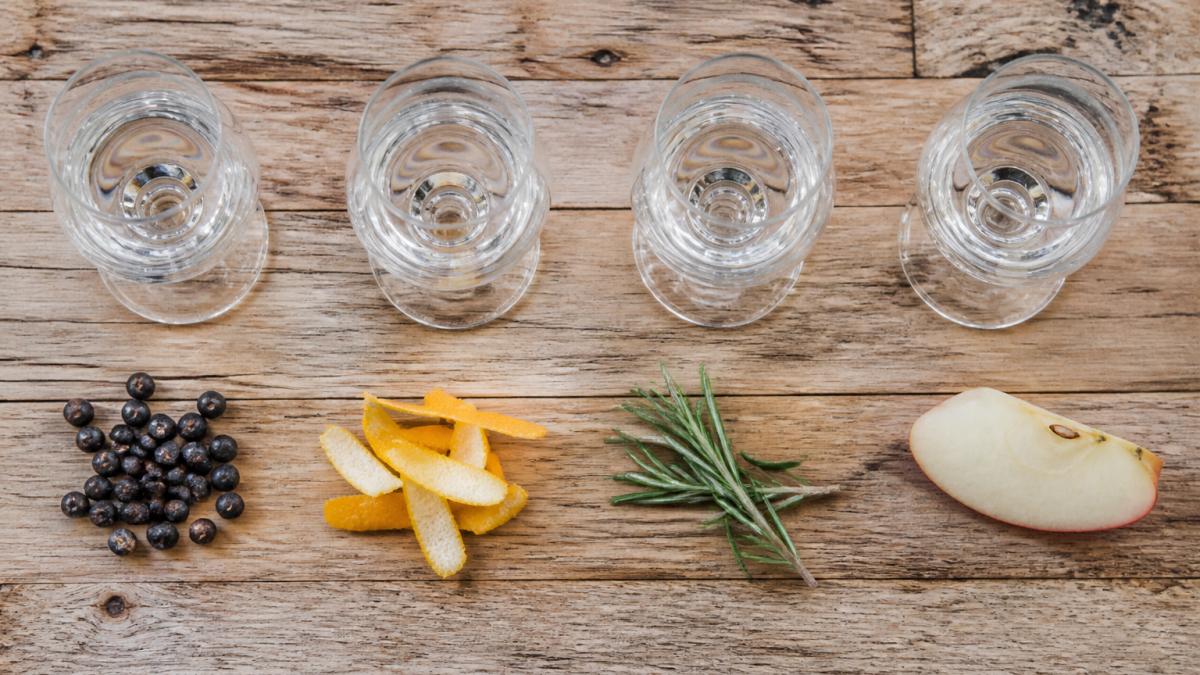
- Compare two styles side by side, never more than three at once. Comparison teaches faster than description, two glasses will show you the London Dry versus Old Tom difference in thirty seconds.
The native botanicals in Australian gin are what make our styles taste nothing like a London Dry. If you want to understand why strawberry gum and lemon myrtle change the picture, our guide to Australian native botanicals breaks down what each one actually tastes like.
Legal Categories vs Marketing Labels: What the Bottle Really Tells You
Not every word on a gin label is regulated. London Dry, Plymouth and genever carry real production rules.
That distinction matters when you're choosing. A bottle labelled "craft gin" tells you nothing about flavour or method.
Watch out: some flavoured products sit close to gin without being gin at all, and a bottle sweetened heavily after distillation can't legally call itself London Dry.
How to Taste Gin Without Feeling Like a Snob
Tasting gin is simple: pour a small measure, smell it before you sip, and note the first flavour that hits you. That's it. No scoring sheets required.
A practical method we suggest at our tastings:
- Pour a small measure neat, at room temperature
- Nose it gently, then note juniper, citrus, herb or floral notes
- Add a splash of water to open the botanicals
The thing nobody tells you about tasting is that comparison teaches faster than description. Two glasses side by side will show you the difference between London Dry and Old Tom in thirty seconds.
Building a Better Gin and Tonic by Style
A gin and tonic is only as good as the match between gin and tonic water. Juniper-forward gins want a clean, neutral tonic.
For a London Dry, use a classic tonic, plenty of ice and a citrus peel. For contemporary gin, try a lighter tonic and garnish with the botanical that leads the bottle.
If you're curious about high-strength styles, our beginner's guide to navy strength gin explains what 58.8% ABV actually means for serving.
Which Gin Style Should a Beginner Buy First?
Most beginners don't need a history lesson, they need a decision. Use your palate and the occasion to narrow the field before you spend money on a bottle.
A simple decision guide:
- You like crisp, dry drinks and classic cocktails. Start with a London Dry. It is the benchmark for a gin and tonic and a dry Martini, and it teaches you what juniper-forward gin tastes like. One bottle does everything.
- You prefer citrus, floral or herbal flavours over pine. Choose a contemporary gin. These let other botanicals lead, so they suit spritzes and lighter tonics, and they are the easiest entry point if London Dry feels sharp.
- You drink whisky or malt and want something familiar. Try a genever. The malted grain base gives bready, oily flavours closer to a young malt than to modern gin.
Serving and substitution guidance. The tonic and garnish you choose can change a gin as much as the style does:
- London Dry: classic tonic, plenty of ice, citrus peel. If a recipe calls for Plymouth and you only have London Dry, use it but expect a sharper, more juniper-led drink, add a little extra tonic to soften it.
- Contemporary gin: a lighter tonic so the botanicals aren't buried, garnished with the botanical that leads the bottle. If a recipe calls for London Dry and you only have a contemporary gin, the drink will be more aromatic and less piney, fine for a spritz, less ideal for a dry Martini.
- Old Tom: works in a gin and tonic but also shines in sweeter classics. If a recipe calls for London Dry, an Old Tom will add sweetness, so reduce any added sugar or syrup.
A note on strength. Standard gin is usually around 37-40% ABV, while Navy Strength sits at roughly 57-58.8% ABV. Higher strength means more alcohol per measure, so pour smaller and pace yourself.
If you're ready to choose a bottle, our shortlist of small-batch Australian gins is a sensible starting point for a first purchase.
Book a Tasting Flight and Find Your Style in Person
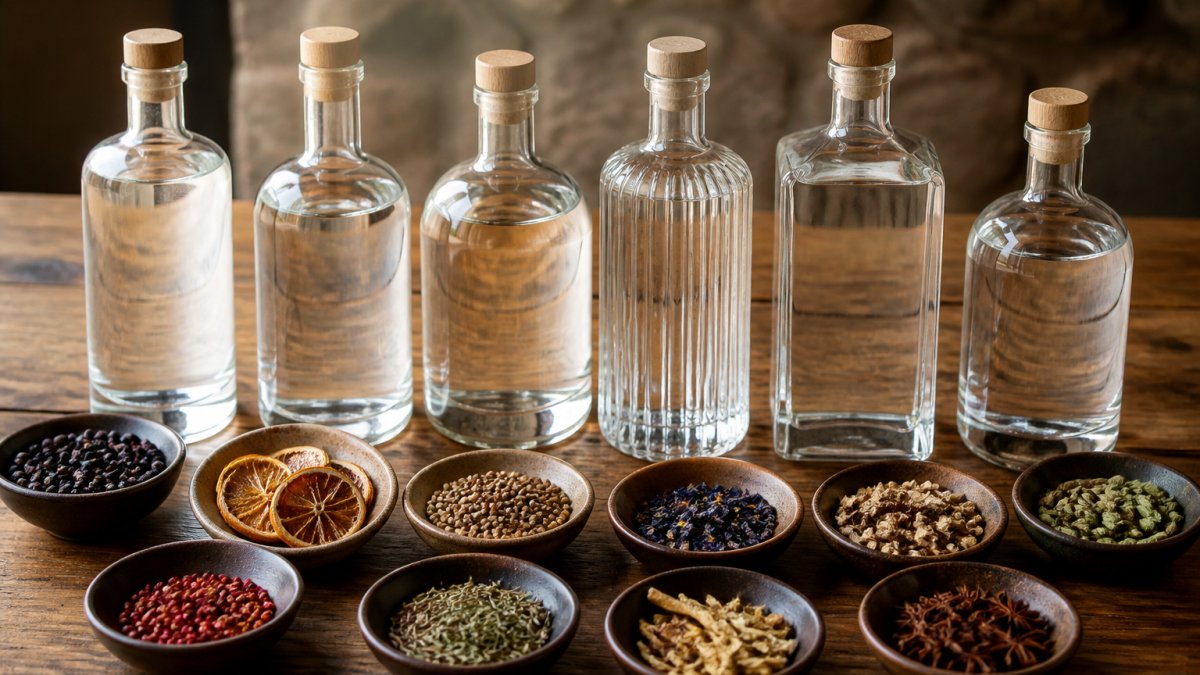
Tasting six styles side by side beats reading about them. Our Sevenhill tasting room runs guided flights where you can compare different styles in one sitting, with the botanicals explained as you go.
DrinkWise guidance on standard drinks and responsible drinking
Visit our Sevenhill tasting room and distillery for opening hours, flight pricing and booking details. We're open Thursday to Sunday, with cocktails and wood-fired pizza alongside the flights.
Finding your gin style is quicker with a glass in hand than a page in front of you.
Frequently Asked Questions
Which gin style is best for beginners?
A London Dry is the safest first bottle because it is juniper-forward, crisp and mixes predictably with tonic. If you prefer softer, less pine-heavy flavours, try a contemporary gin built around citrus or floral botanicals. Old Tom suits anyone who likes a touch of sweetness. Buy a 200ml bottle of two styles rather than a full bottle of one, taste them side by side, and you will know your preference within an evening.
What are the key differences between Old Tom gin and London Dry gin?
London Dry must be distilled to at least 37.5% ABV with no sugar or colouring added after distillation, so it tastes dry, clean and juniper-led. Old Tom is sweeter and rounder, historically sweetened slightly after distillation, which softens the juniper and makes it friendlier in a Martinez or a Tom Collins. Neither is better; London Dry is the sharper, more versatile pour, Old Tom the gentler one.
What does gin taste like?
Juniper is the one flavour every gin must carry, and it reads as pine, resin and fresh forest. Around it sit botanicals such as coriander seed, citrus peel, angelica, orris root and cardamom, which add spice, brightness and a dry finish. Styles shift that balance: London Dry pushes juniper forward, contemporary gin leans citrus or floral, and barrel-aged gin adds vanilla and oak from the cask.
What makes a perfect gin and tonic?
Use a ratio of roughly one part gin to three parts tonic, pour the tonic down the side of the glass to keep the bubbles, and use plenty of ice so the drink stays cold without diluting fast. Match the garnish to the style: lime or lemon for a London Dry, orange or grapefruit for a contemporary gin, and a rosemary sprig for herbal bottlings. Serve it in a chilled copa or highball glass.
Is London Dry gin sweeter than other gin styles?
No. London Dry is one of the driest styles, because the rules prohibit adding sugar after distillation. Old Tom and sloe gin are noticeably sweeter. If a London Dry tastes sweet to you, the sweetness is usually coming from the tonic or from botanicals such as liquorice root rather than added sugar.
