Quick Summary
A sawmill gin alternative should match the original's two defining traits: its native Australian botanicals such as lemon myrtle, strawberry gum and pepperberry, and its grape spirit base. Juniper-forward options suit classic gin drinkers, while zero-proof alternatives need checking for lost complexity and finish.
- Sawmill Gin is distilled from a Clare Valley grape base rather than the usual grain spirit.
- Its botanicals include lemon myrtle, strawberry gum and pepperberry alongside juniper.
- Score each gin out of five on juniper, citrus, complexity and finish, neat and with tonic.
- Zero-proof alternatives often score lower on complexity and finish than alcoholic gins.
- Compare cost per serve by dividing bottle volume by 30 mL, not by bottle price.
Table of Contents
- What Makes Sawmill Gin Stand Out, and What Alternatives Need to Match
- Grape Spirit vs Grain Spirit Gin: Why the Base Changes the Glass
- Gin Tasting Notes: A Simple Scoring Method for Comparing Bottles
- Non-Alcoholic Gin Alternatives: How They Compare and Where They Fall Short
- Choosing a Gin for Gin and Tonic, Martini or Mixed Drinks
- Alcohol Content, Serving Equivalence and Cost Per Serve
- Booking a Tasting Flight at Three Little Birds Distillery
- Frequently Asked Questions
What Makes Sawmill Gin Stand Out, and What Alternatives Need to Match
Last Updated: October 30, 2026
Anyone wanting a sawmill gin alternative will want to know what makes the original distinctive. Three Little Birds Distillery makes small-batch gin in the Clare Valley, and we think the answer comes down to two things: the botanicals and the base. A good alternative needs to match both, or at least come close enough to satisfy someone who expects a proper gin.
Start with the botanicals. Native Australian ingredients such as lemon myrtle, strawberry gum and pepperberry give gin a flavour profile that differs from a classic London Dry. Juniper still anchors the spirit, but the citrus and savoury notes sit differently on the palate. If you are judging an alternative, look for whether it carries that same sense of place rather than simply tasting of juniper and citrus.
The second element is texture and finish. A well-made gin has a clean, slightly warming finish that lingers without turning harsh.
Grape Spirit vs Grain Spirit Gin: Why the Base Changes the Glass
Most gin is built on a neutral grain spirit. Grape spirit gin starts from a different foundation, and that choice shapes how the finished spirit tastes. A grape base tends to carry a softer, rounder character, which lets the botanicals sit forward without fighting a sharp alcohol edge.
This is where the comparison gets practical. When you taste a grape spirit gin against a grain spirit gin, notice how the botanicals arrive and how long they last. Grape-based gins often feel smoother through the middle of the sip. Grain-based gins can feel crisper and more direct. Neither is automatically better. It depends on what you want from the glass.
Our Signature Gin is distilled from a Clare Valley grape base, so that difference is built into the spirit itself. If you want to see how a small-batch grape spirit gin is made, read What is grape spirit gin?. For a broader look at how small-batch and commercial gins differ, Small Batch Gin vs Commercial Gin: Which to Choose? covers the trade-offs in production and character.
Gin Tasting Notes: A Simple Scoring Method for Comparing Bottles
Tasting notes are only useful if you use a consistent method. A simple approach is to score each gin from one to five across four criteria: juniper presence, citrus brightness, botanical complexity and finish. Taste each one neat first, then with tonic, so you can judge how the spirit holds up in a drink.
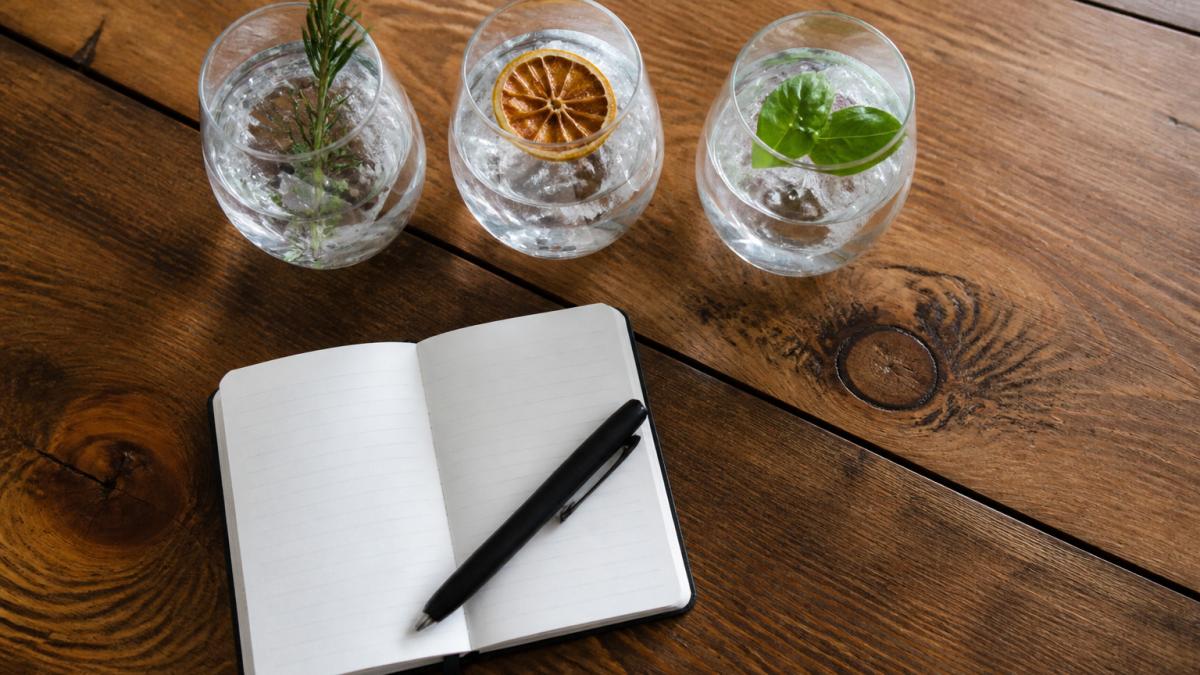
Pour a small measure of each gin into a clean glass at room temperature. Smell first, then sip, and write down what you notice before you compare bottles. Tasting blind, with the labels covered, removes most of the bias that comes from brand expectations.
Keep notes short. A score and two or three words for each criterion is enough. After a few sessions you will spot patterns quickly, such as which bottles turn bitter once diluted or which ones lose their character over ice.
Non-Alcoholic Gin Alternatives: How They Compare and Where They Fall Short
Non-alcoholic gin alternatives are a different category from alcoholic gin, and it helps to be clear about that before comparing any sawmill gin alternative to them. Most rely on botanical extracts, distillates and flavour compounds to recreate the feel of gin without the alcohol content. The keyword itself is ambiguous: some readers want a zero-proof substitute to drink in place of gin, while others want an alcoholic gin that resembles Sawmill Gin. This section covers the first interpretation; the alcoholic comparison sits in the juniper-forward subsection below.
Several names come up repeatedly in the category.
Use the same four-criterion scoring method from the tasting section, juniper presence, citrus brightness, botanical complexity and finish, and score each alternative out of five. A common pattern is that zero-proof options score well on juniper and citrus but drop a point or two on complexity and finish, because the absence of alcohol removes the warming, lingering tail that carries botanical aroma. Score them neat and then with tonic; several alternatives turn sweeter or flatter once diluted, which is the single most useful thing to note before you buy a bottle.
Juniper-Forward Options for Classic Gin Drinkers
If you want the familiar taste of juniper above everything else, look for alternatives that name juniper as their lead flavour. Little Saints St. Juniper and Lyre's Dry London Spirit both position juniper at the centre of their profile, which suits drinkers who want a classic gin and tonic feel.
Judge these options by how the juniper sits in a drink. A good juniper-forward alternative should stay clean and resinous with tonic, without becoming medicinal or bitter. If it tastes thin on its own, it may still work well in a cocktail, so test it both ways.
Our Signature Gin is juniper-forward too, with lemon myrtle, strawberry gum and pepperberry added. It won a silver medal at the 2025 Australian Gin Awards. It is a useful benchmark when you taste these alternatives side by side, pour a small measure of each, score them on the same rubric, and note how the botanicals in each compare on complexity and finish.
The table below sums up the main points from the article, so you can compare the alternatives at a glance.
| Option | Best for | Key difference |
|---|---|---|
| Juniper-forward alternatives | Classic gin and tonic drinkers | Juniper leads the profile |
| Zero-proof alternatives | Drinkers avoiding alcohol | Often lose complexity and finish |
| Sawmill Gin (benchmark) | Judging alternatives side by side | Adds lemon myrtle, strawberry gum, pepperberry |
Choosing a Gin for Gin and Tonic, Martini or Mixed Drinks
The right gin depends on the drink. For a gin and tonic, you want a spirit with enough botanical presence to hold up against the tonic and a clean finish. A grape-based gin with bright citrus notes often works well here, because the tonic does not swamp the flavour.
A martini asks more of the spirit, since there is little else in the glass. Choose something with a firm juniper backbone and a dry finish. Navy strength gins give more punch and suit drinkers who like a stronger, more assertive martini.
For mixed drinks such as citrus-based cocktails, pick a gin with brighter botanicals that can cut through acidity. Shop our Clare Valley gins, including the Signature, Navy Strength and Bramble, online to find the one that suits your favourite drink. Balancing these complex botanical profiles requires a careful hand, though the same principles of ingredient integrity apply when selecting ready-to-drink cocktails for moments when convenience takes precedence.
Alcohol Content, Serving Equivalence and Cost Per Serve
Alcohol content matters when you are comparing alcoholic gin with non-alcoholic alternatives, and the labels are not always as clear as they look. Standard gin is distilled spirit, and its strength is stated on the label as a percentage of alcohol by volume (ABV). Non-alcoholic options are typically labelled as alcohol-free or zero-alcohol, but the exact alcohol content varies, so read the label on each bottle rather than assuming. Check the label on each product, as "non-alcoholic" and "zero alcohol" claims are not always interchangeable.
Serving equivalence is another point of confusion. A non-alcoholic alternative poured in place of a standard gin measure will not give the same effect, and it will not deliver the same flavour intensity unless the recipe is adjusted. Treat substitutions as a different drink rather than a like-for-like swap. If a cocktail tastes thin when you swap in a zero-proof alternative, adjust the recipe to taste rather than changing it wholesale.
Cost per serve is simple to calculate. Divide the bottle price by the number of standard serves the bottle contains, then compare across bottles. A standard serve is 30 mL, so divide the bottle volume by 30 mL to find the number of serves. Run this calculation using the current prices on each brand's website before you buy.
One more label check worth doing: look for the standard drinks number on alcoholic gin, which tells you how many 10 g alcohol serves the bottle contains. That figure, not the ABV alone, is what lets you compare a gin and a zero-proof alternative on a genuinely like-for-like basis for pacing and pouring.
Booking a Tasting Flight at Three Little Birds Distillery
If you want to compare gins in person, the Sevenhill tasting room is a practical place to start. Taste the range side by side, pair your flight with food, and see how each gin behaves neat and with tonic. For bookings and current options, book a tasting flight at Three Little Birds Distillery or shop our Clare Valley gins online.
Frequently Asked Questions
What gin is similar to Sawmill Gin?
The closest match depends on whether you want a classic juniper-led profile or a citrus and herb lift. Compare the botanical list, the base spirit and the finish rather than chasing a single flavour note. Three Little Birds Distillery makes a small-batch gin in the Clare Valley using native Australian botanicals and a grape-derived base, so its profile differs from grain-based London Dry styles. Taste a flight or a sample if you can, since two gins with similar botanicals can still read quite differently on the palate.
What is the difference between grape-spirit gin and grain-spirit gin?
Grain-spirit gin uses a neutral spirit distilled from grain, which tends to be clean and lets the botanicals lead. Grape-spirit gin uses a base distilled from wine, which can carry a softer, fruitier character and a slightly rounder mouthfeel. Neither is better in principle. The best choice depends on whether you prefer a crisp, sharp gin or one with more body. Tasting both side by side is the quickest way to tell the difference.
Can grape-spirit gin be used in a gin and tonic?
Yes. Grape-spirit gin works well in a gin and tonic, particularly if the botanicals include citrus or native herbs that complement the tonic. Start with a standard measure and adjust the tonic ratio to taste, as a fuller base can sit differently against bitter tonics. Garnishes that echo the botanicals, such as citrus peel or a sprig of herb, help tie the drink together.
What should I compare when choosing a craft gin?
Look at the base spirit, the botanical list, the alcohol by volume and the intended serve. Then taste on its own and in a simple mixed drink. Note whether the juniper is forward or supporting, how the citrus and herbs develop, and how long the finish lasts. Price per serve is also useful, since a bottle that costs more can still be better value if it stretches across more drinks. Pricing varies, so check current prices directly with the producer.
