Last Updated: November 15, 2026
Quick Summary
Small batch gin tasting notes describe what a finished gin actually tastes like, bridging the gap between the botanical list and the glass. Read them by tasting in a consistent order: nose, palate, texture, finish, then a diluted pass. Score each gin out of five on nose intensity, palate balance, texture, finish length and overall harmony so two sets of notes stay comparable.
- Taste in the same order every time: nose, palate, texture, finish, then a diluted pass.
- Score each gin out of five on five criteria, adding one line for the dominant botanical.
- Try roughly one part water to four parts gin for a high-strength bottling, then adjust.
- Blind taste two gins in identical glasses and write notes before revealing which is which.
- Grain spirit reads leaner and drier, while grape spirit feels silkier with a softer aftertaste.
Table of Contents
- Why Small Batch Gin Tasting Notes Reward a Closer Look
- Craft Gin Tasting Techniques: A Repeatable Framework
- How to Identify Gin Flavour Profiles Without the Jargon
- How to Compare Grape Spirit Gin with Grain Spirit Gin
- Botanical Profiles at a Glance: Juniper, Coriander and Beyond
- What Small Batch Really Means for the Bottle in Your Hand
- Reading Tasting Notes Critically: Value, Strength and Transparency
- Book a Tasting Flight in the Clare Valley
- Frequently Asked Questions
Why Small Batch Gin Tasting Notes Reward a Closer Look
Small batch gin tasting notes are the bridge between what a distiller intended and what you actually taste. A botanical list alone tells you almost nothing about the finished liquid.
That gap is where most drinkers get lost. A label promises "bright and floral" and the glass delivers something sharper, hotter or sweeter than expected. Tasting notes exist to close that gap, and small batch production makes the notes more meaningful, not less.
Below, we'll show you exactly how to read a set of tasting notes, how to taste against them, and how to compare bottles before you commit. The framework takes about ten minutes to learn and improves every gin you taste afterwards.
Craft Gin Tasting Techniques: A Repeatable Framework
Craft gin tasting techniques work best when you follow the same order every time: nose, palate, texture, finish, then a diluted pass. Consistency is the whole point. A repeatable method lets you compare a bottle from one month to the next, or two bottles side by side, without your own habits skewing the result. The framework below takes about ten minutes to learn.
Nose, Palate and Finish in Order
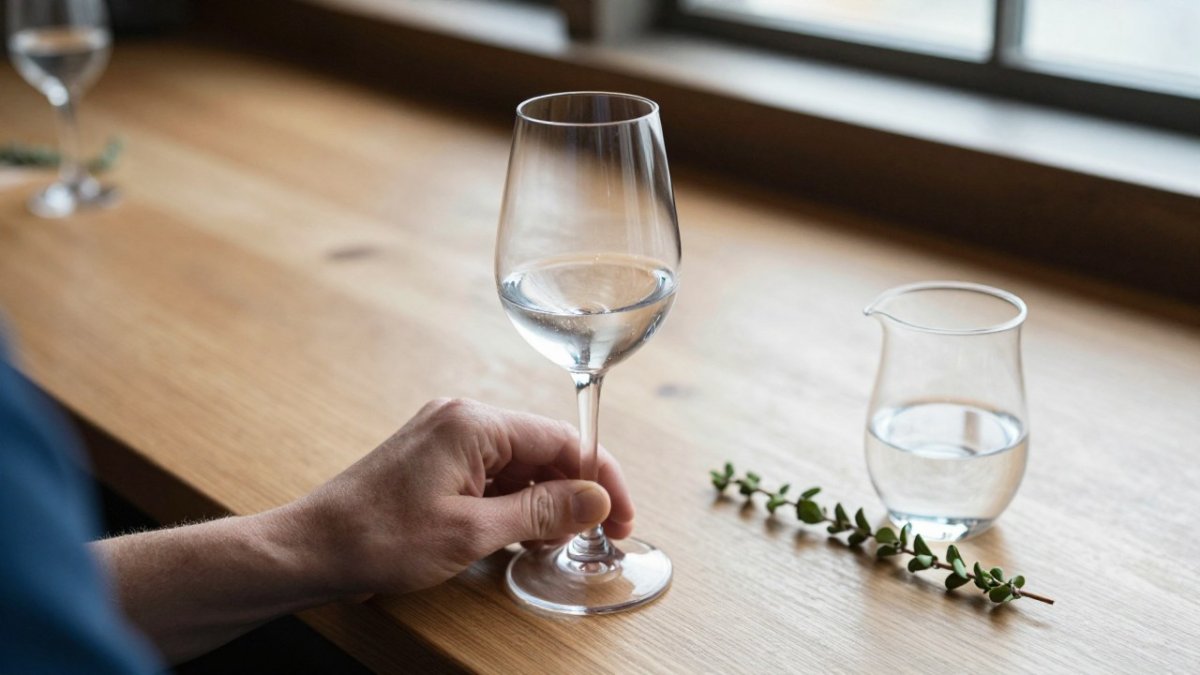
Start with the nose before you sip. Hold the glass still, breathe gently, then swirl and smell again. Swirling releases alcohol vapour, so the second pass often shows more detail. Note the first three things you can name rather than trying to describe everything at once.
The palate comes next. Take a small sip, let it coat your tongue, and note where the flavour lands. Juniper tends to sit at the front and centre, citrus lifts across the top, and root botanicals like angelica and orris show up as texture more than taste.
Finish is what remains after you swallow. A long finish is not automatically better than a short one, but it should be clean and consistent with what came before.
A Simple Scoring Sheet for Comparing Bottles
A consistent framework is only useful if you can write it down. Score each gin out of five on five criteria: nose intensity, palate balance, texture, finish length, and overall harmony. Add a single line of free text for the dominant botanical you noticed. The numbers are less important than using the same criteria every time, because that is what makes two sets of notes comparable.
Mouthfeel is where dilution, base spirit and distillation choices show up most clearly.
Neat, Diluted and Blind: Calibrating Your Palate
Neat tasting shows the spirit at full strength, which is useful but rarely how anyone drinks it. Add water a few drops at a time and taste again. As a starting point, try roughly one part water to four parts gin for a high-strength bottling, then adjust.
Blind tasting is the calibration step most people skip. Pour two gins into identical glasses, have someone else label them, and write notes before you know which is which.
Watch out: tasting several gins in a row without rinsing the glass or palate will carry one finish into the next, so keep a small jug of water and a plain cracker or piece of bread between pours.
How to Identify Gin Flavour Profiles Without the Jargon
Gin flavour profiles are easier to identify when you translate the vocabulary into everyday comparisons. Most tasting notes use a small set of words, and once you know what they point to, the language stops feeling like a closed shop. The glossary below is deliberately plain: each term is paired with a reference point you can probably find in your own kitchen or garden.
Juniper, Citrus, Floral, Herbal and Spice in Plain Language
- Juniper: the pine-like, resinous note that defines gin. Think of the smell of a crushed berry, not a pine forest air freshener. Resinous simply means sticky and sappy rather than sharp.
- Citrus: lemon, lime, grapefruit and orange peel. Fresh zest reads bright; dried peel reads warmer and slightly bitter. When a note says "bright", it usually means the citrus sits high and clean rather than syrupy.
- Floral: lavender, rose and elderflower. Floral notes sit high in the glass and fade quickly on the palate. If a gin is described as perfumed, the floral element is likely doing the work.
- Herbal: rosemary, thyme and sage. Herbal notes often arrive mid-palate and add a savoury edge. Herbaceous is the broader term for the same family and can include green, grassy or tea-like impressions.
- Spice: coriander seed, cardamom, cinnamon and pepper. Spice usually shows on the finish as warmth rather than heat. Peppery means a dry prickle on the tongue, not chilli heat.
- Dry: not sweet. A dry gin finishes without residual sugar, and dryness is often what makes a gin work well in a martini.
- Rooty or earthy: angelica, orris and liquorice. These read as depth and structure rather than as a flavour you can name, which is why they are easy to miss.
A gin described as juniper-forward leads with that resinous note and keeps everything else in support. A contemporary gin pushes juniper back and lets citrus, floral or spice take the front. Neither is better; they suit different moods and different serves.
Calibrating Your Palate Against the Glossary
The fastest way to make the glossary useful is to taste a reference ingredient next to the gin. Smell a strip of fresh lemon peel, then smell the gin and see whether the citrus note matches.
A common pattern is that beginners over-report citrus and under-report root botanicals, because citrus is the easiest note to name. If your notes are all lemon and no texture, add a diluted pass and focus on mouthfeel rather than aroma.
For a deeper look at how native botanicals taste in practice, our guide to strawberry gum and the botanicals that make our gin Australian breaks down each one in plain terms.
How to Compare Grape Spirit Gin with Grain Spirit Gin
The base spirit is the quiet variable in any comparison. Grain spirit, usually wheat or barley, gives a neutral, slightly sweet foundation that lets botanicals sit cleanly on top. Grape spirit carries a faint fruit character and a rounder mouthfeel that changes how the whole drink reads.
To compare the two properly, taste them side by side at the same strength and with the same tonic. Note the texture first, then the finish. Grain-based gins often feel leaner and drier; grape-based gins tend to feel silkier and leave a softer aftertaste.
Our base spirit is made from leftover wine grapes. If you want the full explanation of how grape spirit changes a gin, read what grape spirit gin actually is.
Botanical Profiles at a Glance: Juniper, Coriander and Beyond
Every gin botanical list follows a rough hierarchy, and knowing it helps you predict what a bottle will taste like before you open it. Juniper is the constant. Everything after it is a choice.
| Botanical | Role in the Gin | What It Tastes Like |
|---|---|---|
| Juniper | Core defining note | Resinous, pine-like, slightly sweet |
| Coriander seed | Citrus lift | Lemon peel with a peppery edge |
| Angelica root | Structure and depth | Earthy, dry, holds the finish together |
| Orris root | Texture | Powdery, soft, rounds the mouthfeel |
| Liquorice root | Sweetness | Gentle anise sweetness, adds body |
| Cardamom | Aromatic spice | Warm, perfumed, sits high in the glass |
| Cassia bark | Warmth | Cinnamon-like, gentle on the finish |
| Citrus peel | Brightness | Zesty, fresh, lifts the nose |
Most small batch distilleries work with a core of juniper, coriander, angelica and orris, then add a signature layer. Ours leans on native Australian botanicals that give the range a distinctly regional character.
What Small Batch Really Means for the Bottle in Your Hand
Small batch is a production term, not a legal one. In practice, it describes gin made in runs small enough for the distiller to monitor each batch and adjust, rather than in continuous high-volume production.
What it should mean for you is consistency with character. A small batch distiller tastes every run and writes notes against it, which is why the tasting notes on a craft bottle tend to be more specific than the back label of a mass-market gin.
Our gin is made in the Clare Valley, and our spent botanicals are repurposed to feed local livestock while kitchen scraps are composted for the vineyard. If you want the broader comparison of production scales, our article on small batch gin versus commercial gin covers it in detail.
Reading Tasting Notes Critically: Value, Strength and Transparency
A tasting note is a claim, and claims should be checkable. The first thing to look for is alcohol by volume.
The second is botanical transparency. A distillery that names its botanicals and explains why each is there is usually more confident about the liquid than one that lists "natural botanicals" and stops.
The third is honesty about limitations. A good note tells you what a gin is not good for. If a bottle is built for sipping neat, the notes should say so rather than pretending it makes an excellent martini.
On value, price should track strength, botanical complexity and production scale, not just the label design.
Book a Tasting Flight in the Clare Valley
The fastest way to learn gin tasting notes is to taste several gins against each other with someone who made them. Our Sevenhill tasting room offers tasting flights.
If you have never done a structured tasting, our guide to how a gin tasting flight works explains what to expect and how to get the most from every sip. When you are ready to plan the visit, you will find tasting flights, opening hours and directions to our Sevenhill tasting room on our visit page.
Stay for wood-fired pizza afterwards.
Learning to read small batch gin tasting notes changes how you buy, not just how you drink.
Frequently Asked Questions
What are the four main stages of tasting gin?
Tasting runs in four stages: look, nose, palate and finish. Look at clarity and viscosity, then smell the gin neat before adding anything. On the palate, note the first impression, the mid-palate and how the botanicals unfold. The finish is what lingers after you swallow. Writing a line for each stage gives you gin tasting notes you can compare across bottles, and it stops one loud botanical from dominating your impression.
How do native Australian botanicals influence gin flavour profiles?
Native botanicals shift a gin away from the classic London Dry template. Taste neat first so the native character is not masked by tonic.
What is the difference between grape-based and grain-based gin spirits?
The base spirit changes texture more than it changes the headline flavour. Grain spirit, usually wheat or barley, tends to give a drier, leaner mouthfeel. Grape spirit, often made from leftover wine grapes, brings a rounder, slightly silkier texture that carries floral and citrus botanicals well. Neither is better. Taste both neat at the same strength and note mouthfeel before you note flavour, which is the fairest way to compare them.
Why does small batch gin taste different from mass-produced gin?
Batch size affects consistency and control. Smaller runs let a distiller adjust cuts, botanical ratios and dilution between batches, so flavours stay defined rather than flattened. Mass-produced gin is built for uniformity, which is a legitimate goal but tends to smooth out edges. When you read small batch gin tasting notes, expect more variation between releases, and treat that variation as a feature worth recording rather than a flaw.
